Spending long hours in the sun, intense exertion in heat and insufficient fluid intake can lead to dangerous heat stroke. Early symptoms are easily confused with ordinary fatigue or dehydration. The piece explains how to recognise heat stroke, what steps to take if it occurs, and how to protect yourself effectively.
The summer holiday season brings a noticeable rise in intimate infections, irritations and sexually transmitted diseases, according to gynaecologist Michał Bulsa. Women typically seek medical help only when an infection becomes severe or recurring. High temperatures and travel create conditions that promote such conditions, which can persist for many years.
The World Health Organization has reported over 1,300 excess deaths across Europe due to extreme heat since June 21, with 150 million people affected by the heatwave. WHO has labelled heatwaves a "silent killer." In Poland, the national meteorological institute IMGW has warned of temperatures reaching up to 42°C.
Demand for whey protein in the United States has surged to record levels, driven by shifting diet trends and the boom in GLP-1 weight-loss drugs such as Ozempic. The dairy industry is struggling to produce enough whey to meet the demand. The trend is reshaping the high-protein food and supplement market across America.
The Egyptian sleep method — wrapping oneself in a damp sheet — is presented as one of 15 practical tips for sleeping better on hot summer nights. Other recommendations include airing the home after sunset, cooling wrists with cold water, and avoiding heavy meals in the evening.
Health officials warn that containing the Ebola outbreak is impossible without simultaneously addressing the underlying humanitarian crisis. Access to food, water and shelter is considered essential to an effective epidemic response, as the humanitarian emergency hampers contact tracing, vaccinations and reaching the sick.
Psychologist Mateusz Gola has highlighted a significant lack of research into the real effects of working in the porn industry, on subscription platforms, and in live-camera work. He noted that the reality for people in the industry often differs sharply from the image of easy money and full independence.
Exercise physiology researcher Dr Lauren Colenso-Semple and other experts are challenging the widespread advice that women must tailor their workouts to their hormonal cycle. While testosterone does create measurable differences in baseline muscle mass between men and women, growing evidence suggests the menstrual cycle has far less impact on training outcomes than social media claims. Researchers stress the science is still evolving.
During heatwaves the body loses water faster than thirst can signal, and dehydration near 40°C temperatures can set in much quicker than most people realise. For the majority of people, drinking water at regular intervals throughout the day is sufficient to stay safe. The piece examines the science behind whether electrolytes are necessary, whether tea genuinely cools the body, and whether beer hydrates or dehydrates.
The hotter it gets, the faster our bodies lose water. Obviously, we need to replace it – but is anything better than plain H₂O? And does timing matter? Here’s what the science saysHydration is important. In temperatures like those we’re increasingly seeing in much of the world, sweating can be the only way for our bodies to cool down, and our thirst isn’t always the best indicator of how much water we’ve lost or need. The consequences of not being sufficiently hydrated as temperatures creep towards the 40s can be severe, and can kick in much faster than most people realise. The good news is that remembering to drink plenty of water at regular intervals throughout the day will be enough for most people to avoid the worst. But if you’d like to understand why dehydration is so dangerous, whether you really need extra electrolytes, or if a cup of tea really can cool you down, read on.To start with, it’s helpful to understand that our bodies are producing heat – and therefore losing water – all the time. “All the cells in our body are constantly using fuel for energy for various different processes, whether that’s movement or just staying alive,” says Dr Lewis James, a lecturer in sport, exercise and health sciences at Loughborough University. “About 75 to 80% of the energy that we use appears as heat.” If we didn’t have any way of dissipating this heat, then even lying on the couch would see your body temperature rise about 1.3C in a single hour (already enough to make you noticeably feverish) – but of course, we do. Normally, we lose a decent amount of heat through a combination of convection and radiation: the blood vessels in our skin dilate, allowing the blood to be cooled by the outside air. The problem is that when the external temperature goes up, this process becomes less effective and eventually stops working altogether. At this point, our main way of losing heat is through sweating: our bodies produce tiny droplets of warm water mixed with trace minerals, which (usually) evaporate on contact with the air, drawing heat away from the skin in the process. And as we rely more on sweating, it’s increasingly important to replace the fluids our bodies are losing. Continue reading...
Using air conditioning and fans incorrectly during heatwaves can significantly inflate electricity bills. Adjusting a few habits — such as setting the right temperature, ventilating during cooler parts of the day, and avoiding running multiple devices at once — can keep homes comfortable while cutting energy consumption.
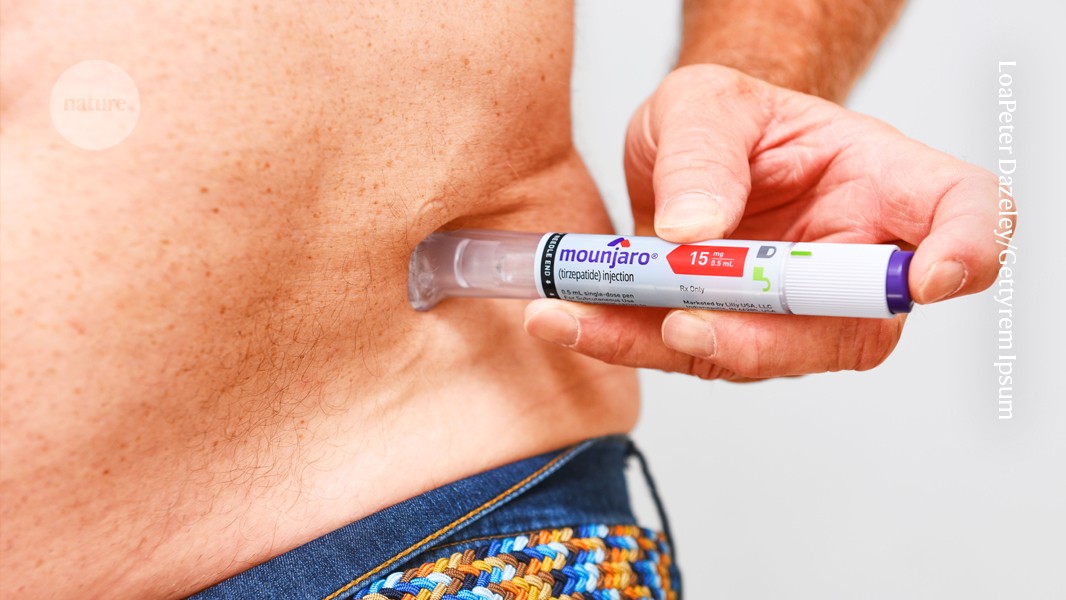
Starting July 1, US seniors enrolled in Medicare will gain landmark coverage for obesity drugs, including GLP-1 medications. Many may be unaware of the change, as neither the government nor drug makers Eli Lilly and Novo Nordisk have run major advertising campaigns to inform them. Experts warn that without proper outreach, many eligible seniors will miss out on the new benefit.
Foot specialists warn that flip-flops, a summer staple, put significant strain on the musculoskeletal system. The lack of support, flat sole and the reflex toe-gripping motion when walking can cause problems not only in the feet but also in the knees and spine. Podiatrists recommend choosing footwear that properly supports the arch of the foot.
Psyllium husk is increasingly being chosen as an alternative to flaxseed for people dealing with digestive issues, bloating after meals and low fibre intake. For many users it works just as well as flaxseed and can be more convenient to use daily. Both products support digestion effectively but differ in their properties and methods of use.
The author reflects on how social media pressure – from targeted ads and wellness influencers to political memes – creates a persistent feeling of never doing or spending enough. She questions whether trying to fix overwhelm with ever more clever solutions is itself part of the problem. The piece is a personal essay on mental wellbeing in the age of digital information overload.
It’s tempting to treat overwhelm with clever fixes – but that might be part of the problemAccording to my Instagram feed, I am not doing enough. Not spending enough, not saying enough, not taking enough care. I feel more sure of this than anything. And it’s bringing out an irrationality I’m not proud of: one afternoon, in between screengrabs of masked men snatching civilians from their homes, videos of wellness influencers evangelising “anti-trauma” hip stretches, and carousels of political action items disguised as catchy memes, I am served a targeted ad for a “Don’t Talk to Me About AI or I’ll Kill Myself” crochet pattern; and even though I have never crocheted anything in my life, I find myself looking up the materials to get started … on Etsy to avoid supporting any big, Maga-oriented corporations.It’s overwhelming, this general pressure, palpable not only on social media but throughout the larger culture: today’s most urgent issues, from technological end times to tight hips, can only be solved by squeezing as much into the day as humanly possible. Continue reading...
Cold soups are an ideal summer food — low in calories, rich in vitamins and protein, and beneficial for gut and heart health. Nutritionists recommend them as a regular summer meal since they don't raise body temperature. When buying ready-made cold soups, consumers should check the ingredient list and salt content.
Coconut water is a popular summer drink praised for its superior hydration and electrolyte content compared to plain water. However, its high potassium level can disrupt heart rhythm in some individuals, particularly those with kidney disease or electrolyte imbalances. It is therefore not a safe choice for everyone despite its general popularity.
Kacper Olejniczak, director at the Lewiatan Confederation's health department, says Poland's healthcare model automatically drives up wage costs while the public payer fails to keep up with funding. Salaries now consume the vast majority of hospital budgets, leaving little room for other expenses. He warns that no rationally managed institution can operate under such conditions.
An estimated two million people in Poland are dependent on alcohol. Many of them function outwardly normally – they do not slur their speech or stagger in public – which keeps the problem hidden from those around them. The article addresses the shame and difficulty of admitting addiction, particularly among women.
What's wrong?
Comments
Loading…
Swipe up
⚡
You're all caught up
You've seen all the latest stories. Check back later for more.
Comments